Places susceptible to great contamination and concentration of people, international airports adopt extra care to avoid contagion from COVID-19.

In addition to the preventive measures imposed by WHO (World Health Organization) and security protocols, Jorge Chávez International Airport (LIM), in Lima – Peru, invested in 43 LC units (Light Commercial HVAC) and 19 units of the GUARDIAN HALO QRP, air purification systems with PHI technology manufactured by RGF Environmental, a brand represented by Dannenge International, supplied by MWF Soluciones, Dannenge’s business partner.

Air purification systems with PHI RGF technology by photo hydro ionization generate hydrogen peroxide, an advanced oxidation process consisting of hydro peroxides, superoxide ions and hydroxide ions, which are friendly oxidizers, which return to oxygen and hydrogen after oxidation of the pollutant, ozone-free, and can be used in environments with human occupation. With the advanced HVAC-PHI cell oxidation system, it is possible to reduce microorganisms by more than 99%, including COVID-19, maintaining the quality of decontaminated, clean and odorless indoor air.

Watch the video with the testimony of the operations team on the new measures implemented at https://cutt.ly/0hpKYf9

Dannenge International and its distributors are working tirelessly to provide air purification systems in a variety of environments such as airports, hospitals, healthcare facilities, businesses, corporate buildings, shopping centers, schools, gyms, homes, sports arenas, public transport, food chains and retail stores.

Discover the range of products with PHI technology at www.dannenge.com / www.rgf.com

The built environment has a great role to play in the attainment of a healthier and more sustainable world. This is becoming even more clear due to COVID-19 pandemic. Harmonizing occupational health, energy efficiency and thermal comfort provides stronger and healthier organizations as well as better buildings.

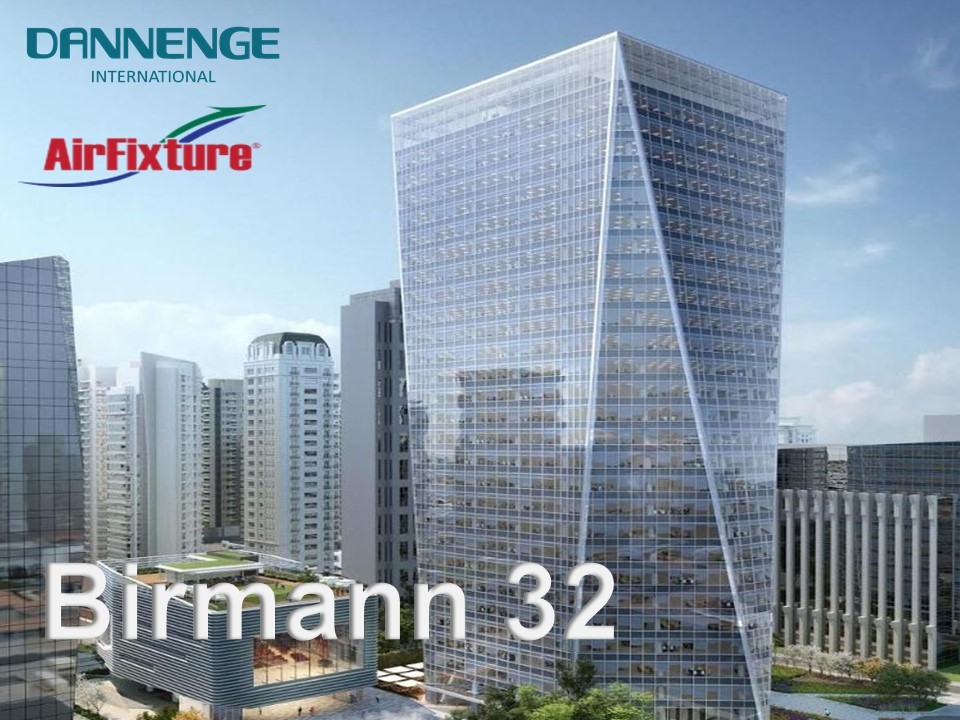
An example of this approach, the Birmann 32 Building, in São Paulo, Brazil, opted for AirFixture’s VAV diffusers, a brand represented by Dannenge International, covering an area of 70,000 square meters, on the 28 floors of this building.

VAV floor diffusers (UFAD) intelligently control air delivery based on the temperature demand of the occupied space and provide excellent ventilation for greater occupant comfort and health. The B32 project, which includes a public terrace, cafeteria, corporate spaces, and a 500 occupants theater, received a LEED Platinum certification from Green Building Council Brazil.

According to Ricardo Cherem de Abreu, Technical Director of Dannenge International, the application of UFAD, by concept, allows energy savings, both by demanding low power for ventilation, and by working with higher supply air temperatures into the occupied space, which allows higher temperatures in the cold water and better yields in the water cooling system. It also provides a healthier environment, where aerosols and particulates are pushed out of the zone of occupation, at the same time allowing a more individualized thermal comfort control. However, for this potential to be realized, it is necessary to work with the right equipment.

“As always occurs when we work with UFAD, it was with great satisfaction that we took part in the Birmann 32 project. We have always had excellent results when applying AirFixture UFAD systems, a company that works exclusively with this concept, with hundreds of successfully working systems around the world. The B-32 is an example of a sustainable building, in which greatly influences the quality and flexibility that an underfloor air distribution system can offer. I’m sure this is the best option to get a really healthy work environment, especially if we associate UFAD with an active air purification system, such as the Photo Hydro Ionization technology by RGF Environmental, proven effective in reducing airborne transmission of diseases, by blocking its direct path, person to person”, comments Cherem.

According to Michael J. McQueeny, P.E. Leed AP, President and Managing Director of AirFixture, along with Rafael Birmann and Renato Silva, his company began working at Birmann 32 in 2013, when the project was in its initial planning phase.

“AirFixture manufactures air conditioning systems for class A commercial buildings throughout the world, and Birmann 32 wanted to have the best system to provide a noticeably better air circulation with greater comfort, so choose (UFAD) from initial design, since it had already specified the raised floor for maximum flexibility. This system has been the choice of several office towers and corporate campuses around the world. With a design by Raul Almeida of Teknica, thermostatically controlled VAV floor diffusers were installed. The project was successfully completed in 2020. Surprisingly, more projects than ever are considering UFAD systems, that supply fresh air directly into people’s breathing zone. These systems have been shown to provide cleaner air in office space with 75% less particles in the occupied zone. All this while offering great efficiency and greater comfort and productivity. Maybe, Birmann really knew what they were doing in 2013 when they planned this project. They were planning the future!”, celebrates Mr. McQueeney.

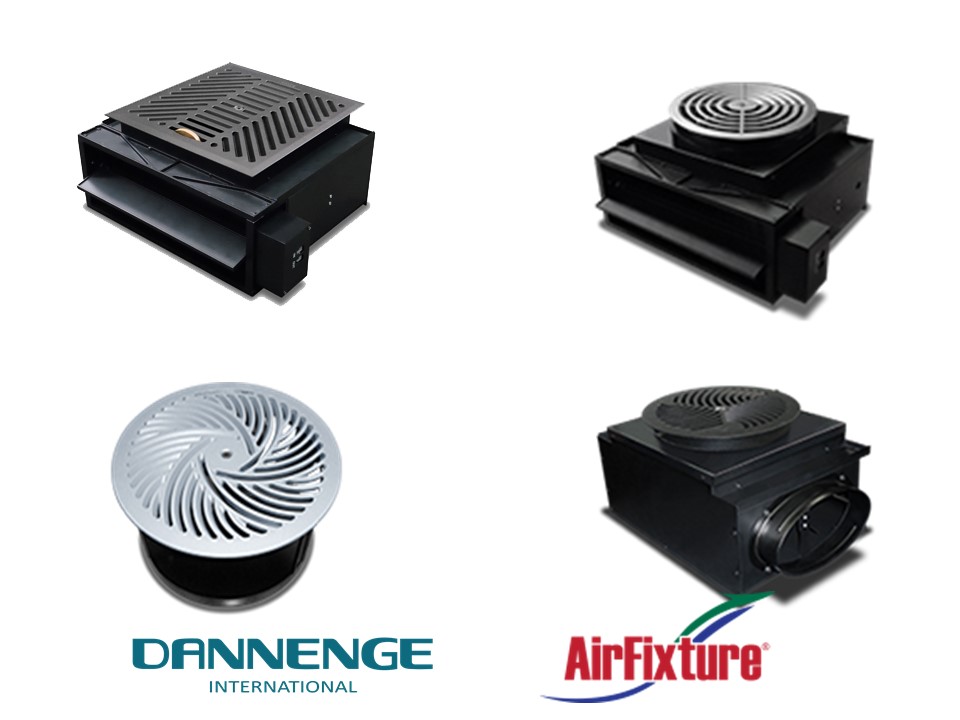
Dannenge International offers the complete UFAD AirFixture diffuser line to help you optimize your underfloor air distribution project. With directional and volume adjustment, floor diffusers are available in a variety of colors, sizes, materials, and airflow capabilities to meet your design needs.

Know more on www.dannenge.com or www.airfixture.com


Jornalista responsável – Ana Paula Basile Pinheiro

In this article, Dannenge International’s technical director, Ricardo Cherem de Abreu, clarifies about ultraviolet radiation, its effects, application in air conditioning and photocatalytic technologies (PHI), a topic currently in vogue in the face of the pandemic by COVID-19. Abreu warns of the substantial differences between the processes of direct irradiation of surfaces (UVGI) and photocatalysis (PHI), important information when making a decision to invest in these technologies in order to improve health safety in environments air-conditioned.

Good reading!

Ultraviolet radiation and its application in air conditioning

The effects of ultraviolet radiation on nature are well known, just remember that where the sun rays hit, there is no proliferation of fungi and bacteria. Ultraviolet radiation is currently applied in air conditioning systems in two completely different ways: direct surface irradiation and photocatalytic oxidation. This article aims to explain concisely these two applications.

Ultraviolet germicide light (UVGI)

The germicidal action of ultraviolet irradiation has been known and applied for over a century. The radiation range with wavelength between 200 and 300 nm, known as UV-C, is very efficient in killing fungi, bacteria and molds, as well as disabling virus, since applied at the appropriate dosage, remembering that dosage is dependent on exposure time and radiation intensity.

An important aspect of ultraviolet radiation is that it is harmful to humans, causing burns to the skin, ocular cornea and retina. For this reason, exposure to UV radiation should be avoided, and many countries have legislation prohibiting direct exposure to ultraviolet light.

Germicidal ultraviolet light (UVGI) is applied in air conditioning systems for surface disinfection, finding greater application in the cleaning and protection of coils. Its use as an air purifier is limited by the high speeds adopted in ducts, which requires high-power irradiation to ensure its effectiveness, or even stretches of large-length ducts equipped with UV-C lamps. It is important to take into account that UVGI only eliminates microorganisms that pass through its light, acting as a filter, that is, it serves to decrease the background concentration of contaminants in occupied rooms.

An interesting analogy is to imagine that we are working with localized sinks of contaminants, which would be the return openings, through which the air of the room is aspirated to be led to the “air purifier”.

Because it is a well-known technology and on which there is applicable standardization, although exclusively for surface protection, it is being recommended as a solution for air purification in the built environment.
Photocatalytic Oxidation – (PCO)

Ultraviolet light from the sun’s rays, when hitting certain metal oxides on the soil, ionizes water vapor and oxygen molecules, which unite in hydrogen peroxide. Hydrogen peroxide is highly reactive and one of the best-known germicides.

In nature hydrogen peroxide is found in concentrations ranging from 0 to 50 ppb (0 to 0.05 ppm) and, the higher its concentration, the cleaner the site is, due to the oxidative potential of peroxide, which reacts with organic and inorganic gases, kills fungi and bacteria, as well as disables viruses in suspension in the air or on surfaces. This phenomenon is known as photocatalytic oxidation (PCO) and replicated in equipment, has been successfully applied for over thirty years in the purification of enclosed environments.

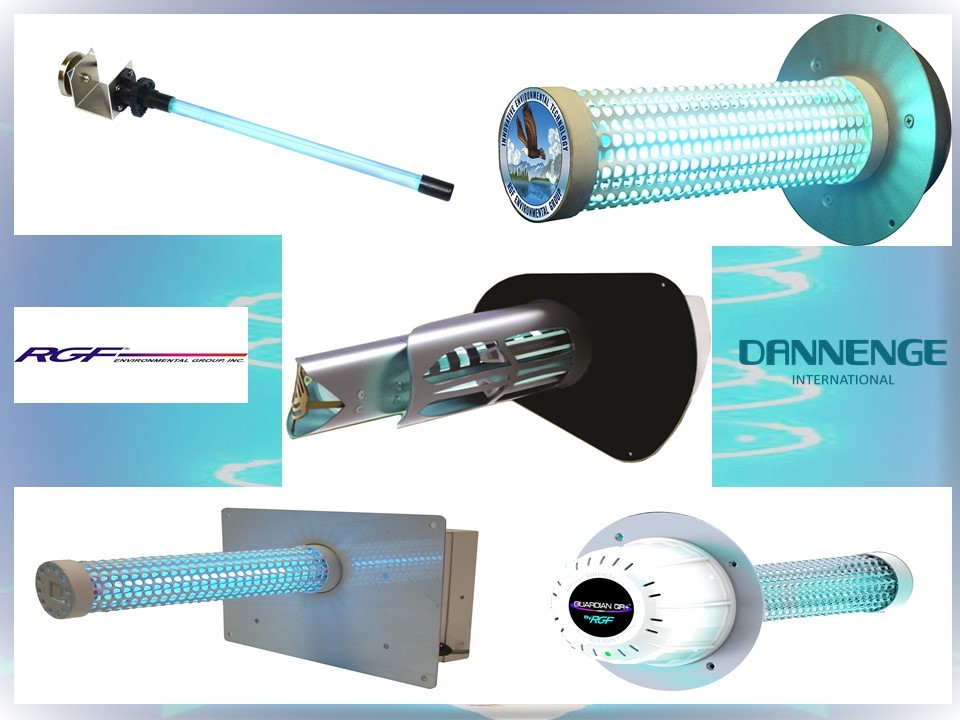
RGF Environmental air purifiers, which use photocatalytic oxidation in their own patented process, Photo Hydro Ionization (PHI) are sized to ensure concentrations of 20 to 50 ppb in the treated environment, simulating the best natural conditions. All favorable results of efficacy tests performed so far had this concentration level as a minimum.

Going back to the previous analogy, it would be like we had spread throughout the built environment a multitude of sinkholes. It is the only way to effectively hinder the path of aerial transmission, in addition to the use of personal protective equipment, such as face protection masks.

It is important to remember that multicellular beings have natural protection against hydrogen peroxide. At normal concentrations, it does not hurt us. For instance, the limit value of hydrogen peroxide concentration admitted for work occupation in a daily basis is 1000 ppb, i.e., twenty times higher than the highest desired concentration. Furthermore, the concentration limit above which health damage can be expected is 75,000 ppb. A long way from those concentrations we are talking about.

The substantial differences between ultraviolet germicidal light irradiation (UVGI) and photocatalytic oxidation (PCO – PHI) processes were presented. This is relevant information when making a decision on investing in these technologies in order to improve health safety in air-conditioned, or closed, environments.
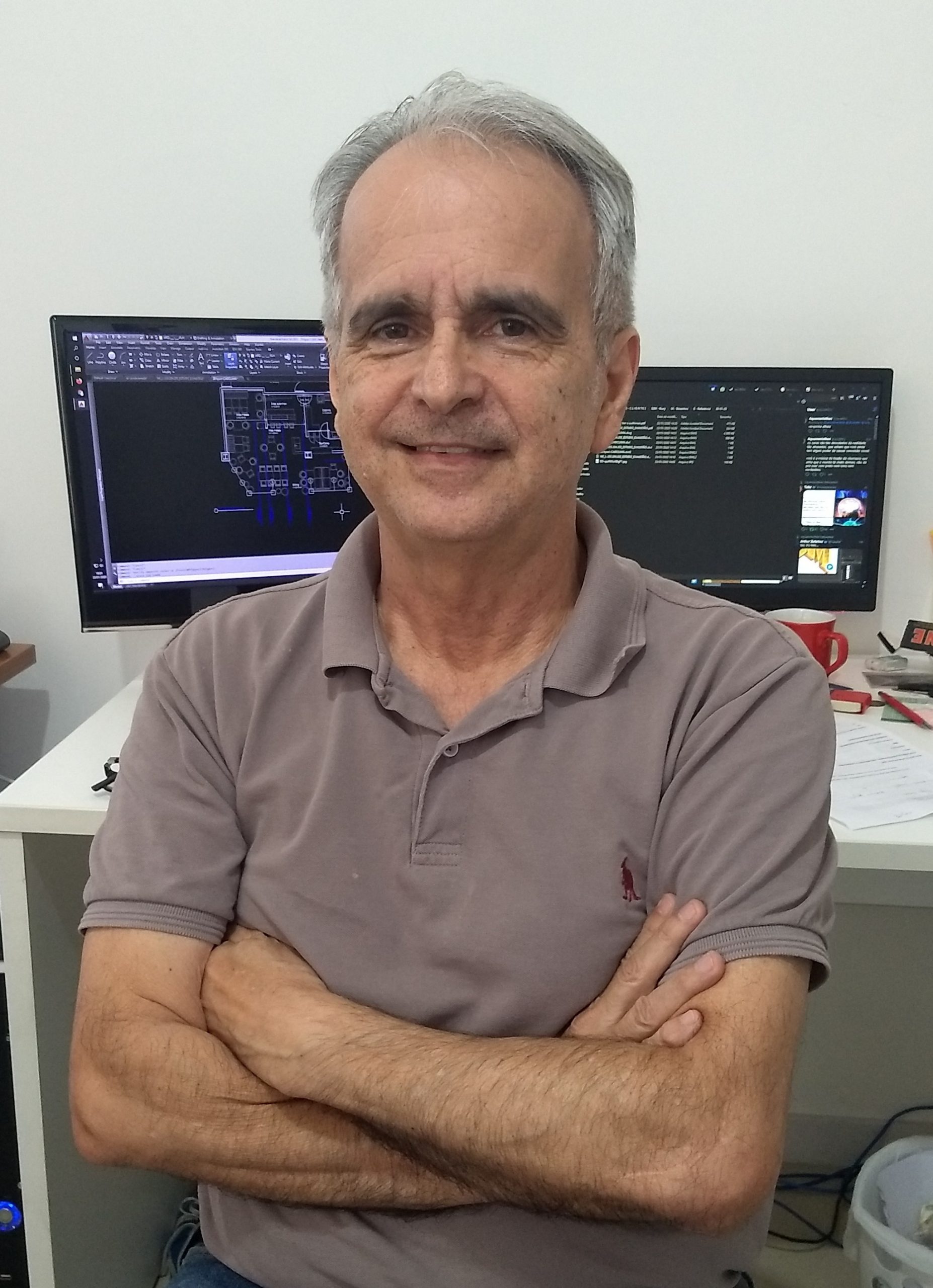
Ricardo Cherem de Abreu
Diretor técnico da Dannenge International
Dannenge
Privacy Overview

This website uses cookies so that we can provide you with the best user experience possible. Cookie information is stored in your browser and performs functions such as recognising you when you return to our website and helping our team to understand which sections of the website you find most interesting and useful.